
Automated SEO involves leveraging software and tools to manage tedious tasks in search engine optimization. By automating these processes, SEO professionals can improve efficiency, scale their efforts, and concentrate on strategic activities that promote growth. Key tasks such as performance monitoring, error tracking, keyword research, and reporting can all be streamlined with the right tools. This approach not only saves time but also enhances accuracy in data handling while increasing the overall return on investment for businesses. Though automation offers clear advantages, it’s essential to maintain human oversight to ensure creativity and strategic thinking remain intact throughout the SEO process.
Table of Contents
- What Is Automated SEO?
- Understanding SEO Automation
- Benefits of Automated SEO
- Key Tasks That Can Be Automated
- Strategies for Implementing SEO Automation
- Conclusion
- Frequently Asked Questions
What Is Automated SEO?
Automated SEO is the practice of using software tools to perform repetitive tasks involved in search engine optimization. This approach allows SEO professionals to streamline their workload and focus on more strategic initiatives. By automating tasks like performance monitoring, keyword research, and error tracking, teams can significantly enhance their productivity. Automated tools can efficiently analyze large volumes of data, reducing the likelihood of human error and ensuring more accurate insights. Additionally, these tools can quickly adapt to changes in search algorithms, providing 24/7 monitoring of website performance. This seamless integration with other marketing technologies helps maintain consistency across SEO efforts, supporting data-driven decision-making. For instance, an automated tool might track keyword rankings over time, allowing businesses to adjust their strategies based on real-time data.
Understanding SEO Automation
SEO automation involves using specialized tools that can streamline various tasks related to search engine optimization. One key area is performance monitoring, where automated tools continuously track metrics like page speed and keyword rankings. This ensures that SEO professionals can quickly identify issues and make necessary adjustments. Error tracking is another crucial aspect; automated systems can promptly detect technical problems, such as broken links or missing meta tags, allowing for faster resolutions.
In terms of keyword research, automation enhances the process by analyzing search volume and competition, which helps create a targeted list of keywords. Reporting is significantly simplified too. Instead of spending hours compiling data, automated tools can generate comprehensive reports with minimal manual input, providing quick insights into performance and potential improvements.
Competitor analysis also benefits from automation, as tools can systematically track competitors’ strategies, helping businesses position themselves more effectively in the market. Additionally, content optimization can be streamlined, with tools advising on improvements based on current SEO standards and user engagement metrics.
Automation also plays a role in tracking changes in search engine algorithms, giving SEO professionals the ability to adapt their strategies more swiftly. Furthermore, it can assist in managing social media SEO efforts and facilitate A/B testing for different strategies, allowing businesses to determine the most effective approaches.
Benefits of Automated SEO
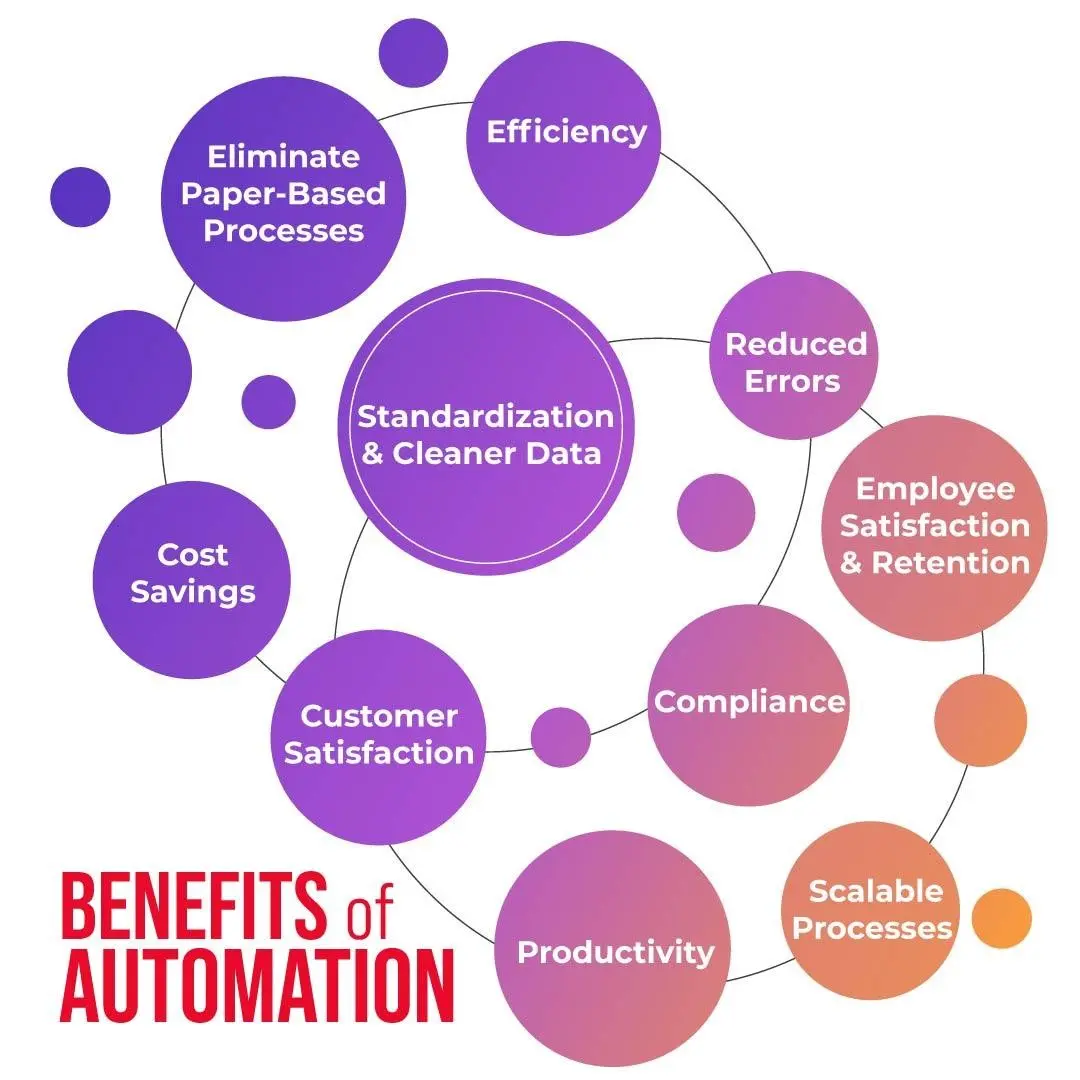 Credits: serpstat.com
Automated SEO brings a range of advantages that can drastically enhance an organization’s digital marketing efforts. First and foremost, it saves significant time for SEO teams by automating repetitive tasks like performance monitoring and reporting. This time savings allows professionals to focus on more strategic activities, such as developing content and refining marketing strategies. Moreover, automated processes improve the accuracy of data collection, leading to better insights into what works and what doesn’t. With real-time updates on website performance, SEO teams can respond quickly to market changes, ensuring they stay ahead of the competition. Additionally, automation helps reduce the workload on SEO professionals, which minimizes the risk of burnout and improves job satisfaction. As businesses grow, scalability becomes crucial; automated systems can manage larger datasets without requiring proportional increases in resources. This efficiency translates to improved ROI, as companies can use their resources more effectively. Furthermore, consistent optimization through automation can lead to higher search engine rankings, ultimately driving more traffic to the site. Finally, by freeing up resources, SEO professionals can dedicate more time to creative marketing efforts, leading to a more dynamic and engaging online presence.
- Automated processes save significant time for SEO teams.
- Improved accuracy in data collection leads to better insights.
- Automation enables quicker responses to market changes.
- It reduces the workload on SEO professionals, minimizing burnout.
- Automated systems can provide real-time updates on website performance.
- Scalability allows businesses to grow their online presence without added resources.
- Improved ROI comes from efficient use of resources and time.
- Automation can lead to higher search engine rankings through consistent optimization.
- It can free up resources for more creative marketing efforts.
- Automated SEO tools often provide advanced analytics for better strategy formulation.
Key Tasks That Can Be Automated
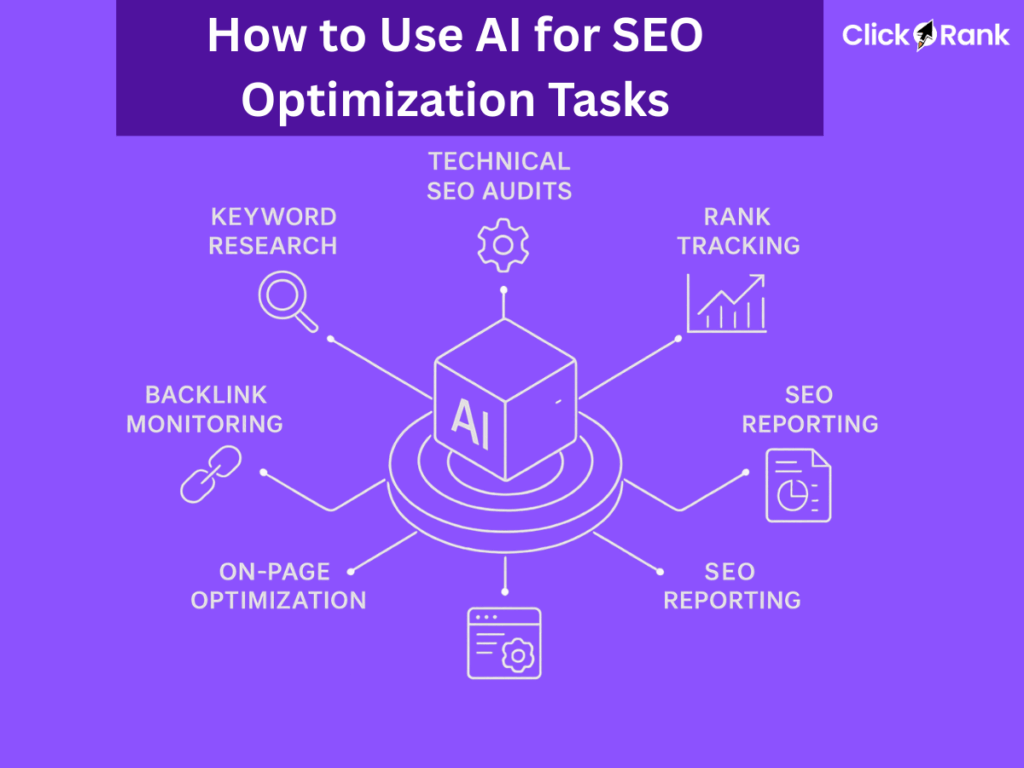 Credits: clickrank.ai
Automated SEO tools can handle various tasks, making the optimization process smoother and more efficient. For instance, site monitoring plays a critical role in ensuring that a website is performing optimally. These tools continuously check for issues like slow loading times, broken links, or errors that could hurt user experience and search rankings.
Keyword ranking tracking helps you see how well your site is doing over time, providing insights into which keywords are driving traffic and where improvements are needed. Backlink analysis is another essential automated task, as it helps identify both lost backlinks and new opportunities for building links, which is vital for improving domain authority.
Competitor analysis can be automated as well, allowing you to track competitors’ SEO strategies and performance. This can reveal market trends and potential gaps you can exploit. Content optimization tools also come into play, suggesting changes based on performance data, which helps keep your content relevant and engaging.
Automated reporting simplifies the analysis and presentation of data, making it easier to share insights with your team. Additionally, technical audits can be automated to quickly identify site issues like missing meta tags or duplicate content. Social media monitoring can also be integrated into your SEO efforts through automation, ensuring a more cohesive online presence.
Lastly, automated alerts notify teams of significant changes in performance metrics, ensuring that any drops in traffic or rankings can be addressed promptly. Together, these automated tasks form a robust framework that enhances the efficiency of SEO efforts.
| Task | Description | Benefits |
|---|---|---|
| Site Monitoring | Regularly checks website health and performance. | Ensures optimal functioning of the website. |
| Keyword Ranking Tracking | Automatically generates reports on keyword performance over time. | Helps track SEO success and identify trends. |
| Backlink Analysis | Simplifies the process of monitoring backlinks and identifying new opportunities. | Enhances link-building strategies. |
| Competitor Analysis | Tracks competitors’ SEO strategies and performance. | Identifies market trends and gaps. |
| Content Optimization | Suggests improvements based on SEO best practices and user engagement metrics. | Increases content effectiveness. |
Strategies for Implementing SEO Automation
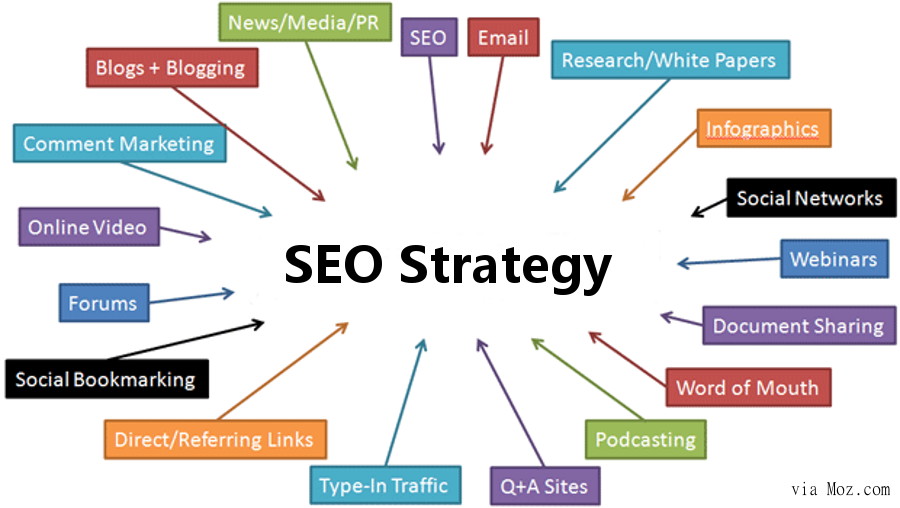 Credits: blog.keyscouts.com
To effectively implement SEO automation, start by identifying the repetitive tasks that consume your time. Focus on areas like reporting and monitoring that can be streamlined. Next, choose tools that fit your specific needs and budget. It’s wise to start small, perhaps by automating just one or two tasks, to gauge their effectiveness before scaling up. Human oversight is essential, as automated outputs should be reviewed to ensure accuracy and relevance. Additionally, train your team on the new tools to maximize their potential. Regularly review automated processes to assess their effectiveness and efficiency, and don’t hesitate to incorporate feedback from team members to refine your approach. Using analytics to measure the impact of automation on your SEO goals will help align these processes with your broader business objectives. Finally, stay informed about the latest trends and tools in SEO automation to keep your strategies fresh and effective.
Conclusion
Automated SEO plays a vital role in today’s digital marketing landscape, allowing businesses to streamline their optimization efforts effectively. By utilizing automated tools, SEO professionals can enhance their efficiency and focus on more strategic initiatives, such as content development and long-term growth strategies. These tools help in gathering accurate data and insights, which are essential for informed decision-making. However, it is important to maintain a balance between automation and human creativity. While automation can handle repetitive tasks and adapt to changes in the digital environment quickly, the human touch brings innovation and strategic insight that machines cannot replicate. As businesses continue to embrace SEO automation, they will find that it not only improves their operational capabilities but also positions them for success in an ever-evolving landscape. The future of SEO is undoubtedly leaning towards automation, but continuous learning and adaptation will remain key components for achieving lasting results.
Frequently Asked Questions
What does automated SEO actually mean?
Automated SEO refers to using software tools and systems to optimize websites for search engines, making it easier and faster to manage SEO tasks without too much manual effort.
How does automated SEO work in practice?
Automated SEO works by using algorithms and software that analyze website data, suggest improvements, and even apply changes automatically based on predetermined rules.
Can automated SEO completely replace human SEO experts?
While automated SEO can handle many tasks, it cannot fully replace human SEO experts, as human insights and creativity are still crucial for developing effective strategies.
Is automated SEO suitable for all types of websites?
Automated SEO can be beneficial for many websites, but it may not be the best fit for very niche or unique sites that require tailored strategies that software might not recognize.
TL;DR Automated SEO leverages tools to streamline time-consuming tasks in search engine optimization, enhancing efficiency and scalability. Key automation tasks include performance monitoring, error tracking, and keyword research. The benefits encompass saving time, improving data accuracy, and increasing ROI. Effective implementation involves identifying repetitive tasks, selecting appropriate tools, starting small, and maintaining human oversight for strategic decisions.